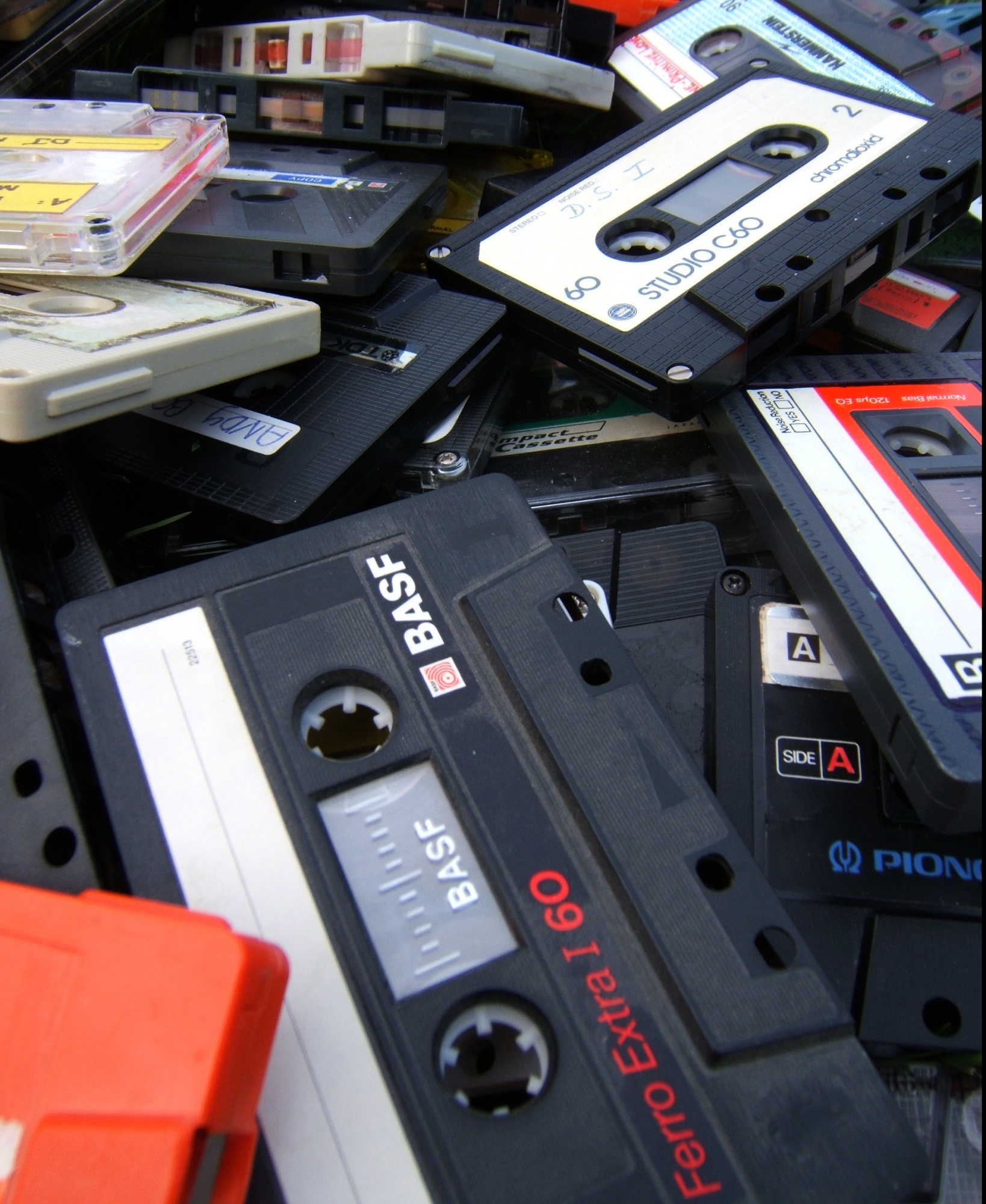


A mixtape started before anyone pressed play. It began with a decision: who was this for, and what did you want them to hear? A friend leaving town, someone you hoped would notice you, or just yourself on a long ride. The same pile of records could become a very different tape depending on the answer.
Two sides, dozens of decisions
Philips introduced its first compact cassette recorder at the Berlin Radio Exhibition in August 1963. The small format would eventually give music listeners something wonderfully practical: a place to assemble songs in their own order. A homemade compilation could have a beginning, a middle, and an ending chosen by the person holding the record button.
The opening song set the mood. The second had to belong beside it. Somewhere near the end came the arithmetic: would one more song fit, or would the tape run out halfway through the chorus? Turning the cassette over gave you another opening to think about. Side B deserved a good start, too.
The label was part of the gift
Then came the handwriting. A title squeezed onto a narrow sticker. A track list on a folded paper insert. Perhaps a date, a doodle, or an explanation that made sense to only two people. The cassette itself might be an ordinary shop-bought object, but the finished thing was unmistakably personal.
Even mistakes could become part of its identity. A pause left too long, an abrupt ending, a song recorded a little quieter than the others: listen often enough and you could start expecting those imperfections.
A sequence you learned by heart
Play the same tape often enough and the silence between songs becomes familiar. One ending seems to call for the next introduction. Hearing either song somewhere else can feel slightly strange because your memory supplies a different neighbor. The order that once took so much thought starts to feel inevitable, even though another person might have arranged those same songs completely differently.
There was also the decision about when a tape was finished. A handwritten list could be revised again and again, but handing over the cassette put an end to the editing. The gift represented a particular afternoon and a particular version of your taste. It did not need to become a definitive collection of the best songs ever recorded. It only needed to make sense for that person, at that moment. That modest ambition was part of its charm.
What the effort said
It is easy to appreciate the convenience of a playlist and still miss the small ceremony of making a tape. Choosing music for someone remains a lovely gesture. What made the cassette feel different was that the choices arrived inside an object you could keep. Years later, the handwriting on the cover might bring someone back before the first song even began.
If you could play one old mixtape again, whose handwriting would be on the label?
Sources & further reading
Written with AI assistance. Historical details checked against the linked sources. Our editorial approach
Keep a little yesterday close