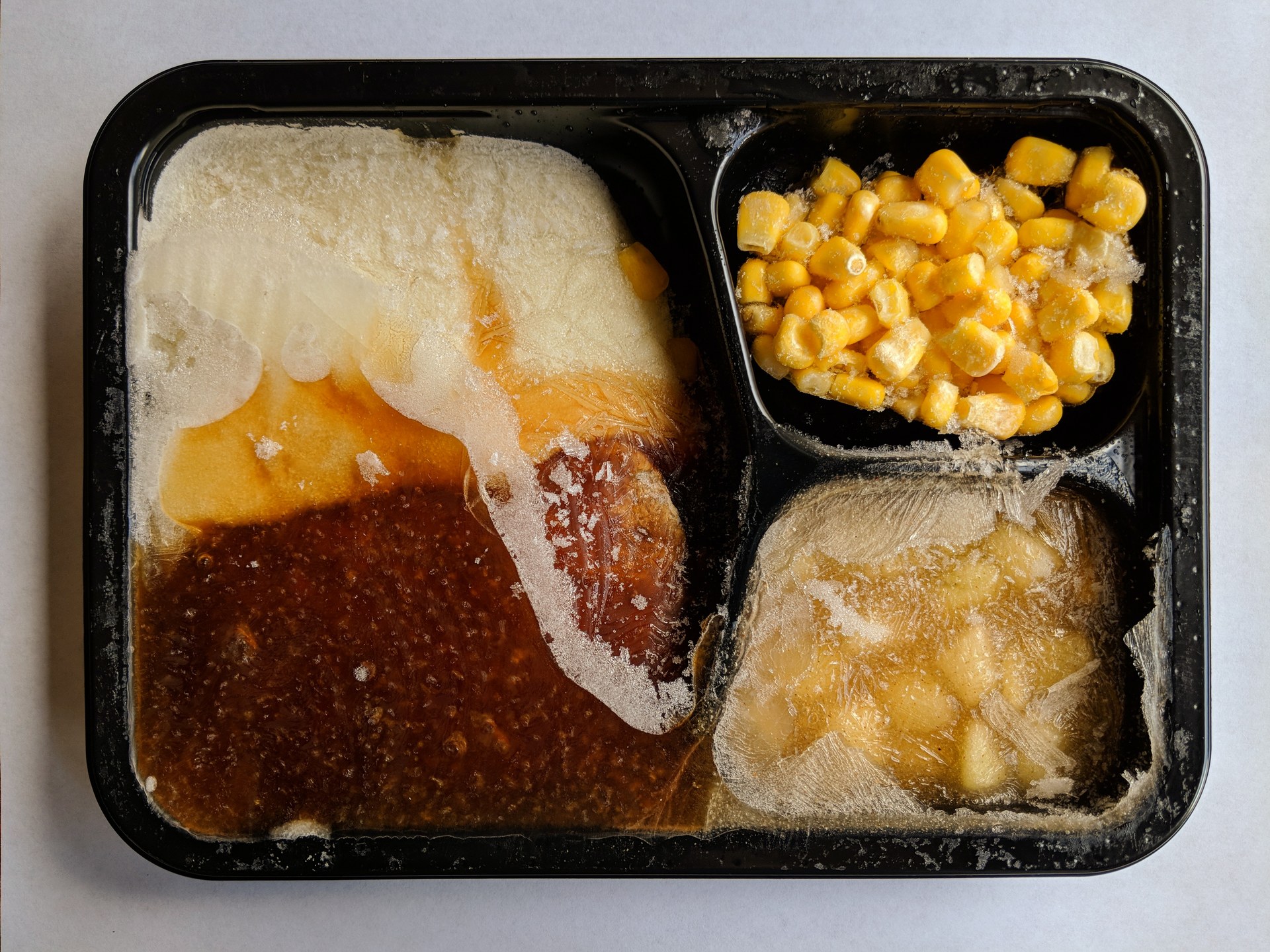

A divided dinner tray could make an ordinary meal look like an event. Everything had its own place, and the arrangement was visible before the first bite. For someone who encountered TV dinners as an occasional treat, that tidy geography might be as memorable as any particular recipe or brand.
A history with more than one inventor
The Library of Congress cautions that the TV dinner did not emerge from a single simple invention story. Complete frozen meals existed before the best-known supermarket versions. Swanson helped turn the idea into a widely recognized consumer product through its name and marketing, but several people and companies contributed to the development of the format.
That distinction matters because nostalgia can turn a complicated history into one neat anecdote. The product’s appeal is easy enough to understand without one. A meal arrived assembled, with portions already decided and ingredients separated. Preparation and cleanup promised to be more straightforward than making every part of dinner from scratch.
The tray had a personality
The compartments invited small preferences. Eat one thing completely before starting the next, or move between them? Save the favorite part until the end, or begin there? Even two people eating the same meal could develop different routines. A divided tray gave those routines a visible pattern.
The occasion around the meal changed its meaning. A TV dinner might signal a busy evening, a break from the usual cooking, or the novelty of eating somewhere other than the regular table. What an adult experienced as convenience could feel to a child like a small exception to the rules of an ordinary day.
Remembering the setting as well as the food
A remembered meal includes more than flavor. It includes the room, the people present, and what happened afterward. A folding tray table, a favorite program, or the unusual permission to sit in a different chair can become tangled with the dinner itself. Ask someone what they remember and they may describe the evening before they describe the menu.
There is no need to claim that every meal was delicious, or that every household treated these dinners the same way. Some people remember them fondly; others remember a texture they never wanted to encounter again. Both responses belong to the object’s history. Familiarity can be affectionate without pretending that the experience was perfect.
The divided tray remains an efficient little piece of design. Its nostalgic power comes from something less efficient: the way one glance can produce a whole scene. A compartment that once held vegetables can lead the mind toward a living room, a particular voice, and the feeling of an evening taking a slightly different shape.
Was a TV dinner an everyday meal or a special occasion in your house?
Sources & further reading
Written with AI assistance. Historical details checked against the linked sources. Our editorial approach
Keep a little yesterday close