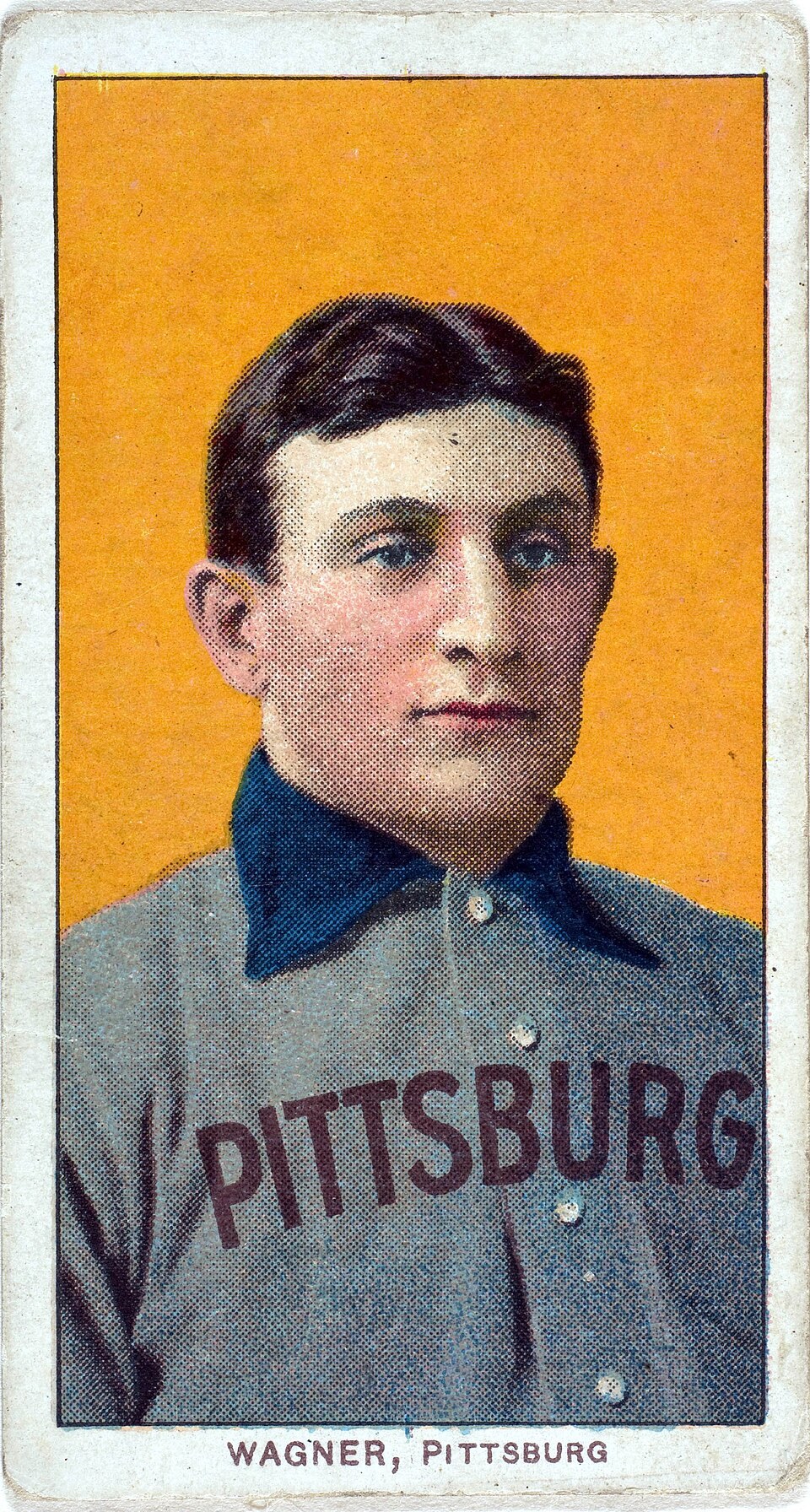

A collection of baseball cards could begin with a favorite team and grow into an organizing project. Sort by player, by number, by team, or by whatever system made sense that afternoon. The cards were small, but arranging them could occupy an impressive amount of floor space and a surprisingly large part of your attention.
A player on the front, a story on the back
The National Baseball Hall of Fame describes how Topps changed direction between its 1951 and 1952 sets. The later cards combined larger color images with team identification and more biographical information. The design helped establish a familiar way of presenting players as people whose details a collector could study and compare.
Turning a card over extended the encounter. A name became connected with numbers, a position, or a place. A collector could learn about someone they had not yet seen play. The card acted as a small introduction, and repeated handling could make an unfamiliar player feel like part of the season’s regular company.
Duplicates had a second purpose
An extra copy was not necessarily a disappointment. It could become part of a trade. Somebody else needed what you already had, and might possess the card missing from your own arrangement. The exchange required comparing different kinds of value: a favorite player, a gap in a set, a personal attachment, or simply the pleasure of reaching an agreement.
Those negotiations could be serious without involving large sums of money. A card might matter because it completed a team or reminded someone of a game they attended. The reasoning was personal and sometimes difficult to explain. Looking back, the conversation around a trade may remain clearer than the identity of the cards themselves.
The box became a small archive
Storage supplied another set of decisions. Keep the favorites together or maintain the numerical order? Separate the doubles or leave everything in one stack? Even an imperfect system gave the collection a shape. Opening the box meant entering a world that had been arranged by your own choices.
Collectors today may approach cards with careful knowledge of condition and market prices. Childhood collections were not always handled that way. The worn edges, handwritten notes, or loosely organized stacks can tell a different story about use. Their meaning need not depend on what anyone would pay for them now.
A shoebox can hold more than a sequence of seasons. It can recall a friend who wanted to trade, a relative who bought a pack, or the particular place where you spread everything out. The players belong to baseball history. The arrangement of the cards belongs to the person who collected them, one small decision at a time.
Did you sort your cards by team, number, or favorite player?
Sources & further reading
Written with AI assistance. Historical details checked against the linked sources. Our editorial approach
Keep a little yesterday close