.jpg)
A thick mail-order catalog contained far more possibilities than most households would ever order. That was part of its attraction. You could turn past the practical things and arrive in a section that felt made especially for you. Returning to the same page became a little routine, even when buying anything was unlikely.
A store that stayed on the table
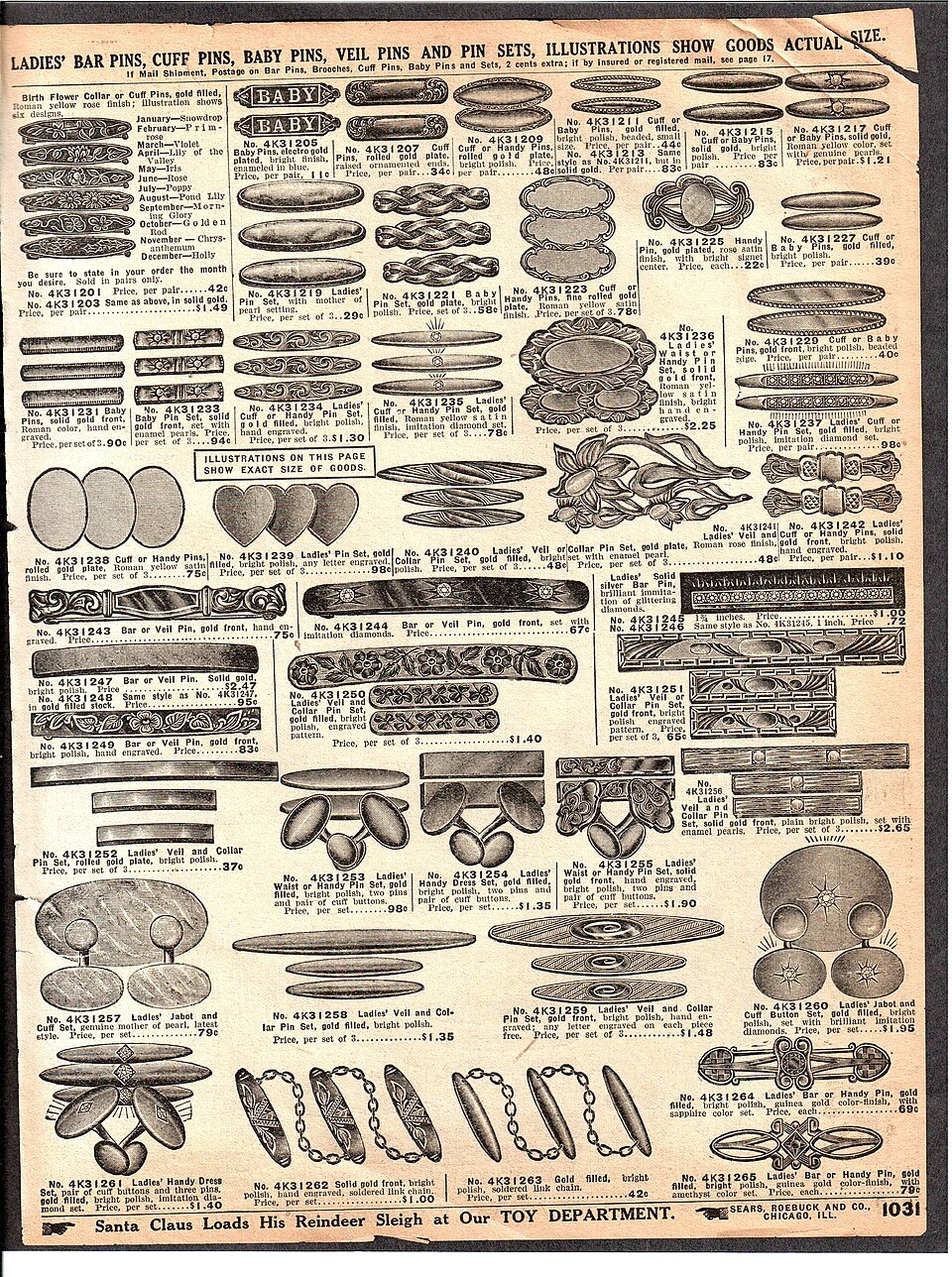
The Smithsonian’s Sears trade-catalog collection records a wide range of merchandise, from tools and clothing to toys and household equipment. It includes a reprint of the company’s 1933 Christmas catalog. These publications preserve an unusually detailed view of what retailers offered and how they presented it to readers.
At home, the catalog had a less formal purpose. It could be a shopping reference, a source of ideas, or a way to pass time. Different people wanted different sections. The same volume might help one reader compare practical purchases while another imagined a room, a hobby, or a holiday that existed only on the page.
The pencil made it personal
A circle turned a printed object into a request. A folded corner marked a place worth finding again. Page numbers could appear on handwritten lists, followed by sizes, colors, or explanations of why this particular item mattered. A publication made for thousands of readers gradually accumulated the preferences of one household.
The markings also recorded negotiation. A first choice could be crossed out. Something too expensive might stay circled anyway. Two items could be compared so often that their descriptions became familiar. The catalog offered plenty of opportunities to imagine possessing something before the practical question of paying for it had been settled.
Waiting was part of ordering
Ordering required turning interest into details someone else could act on. The right number, the right quantity, the right version. Afterward came a period in which the item existed mainly as an expectation. A picture remained available to revisit while the actual object was somewhere on its way, or still only being considered.
It is easy to prefer modern shopping for its convenience and still remember this process with affection. The affection may belong less to the purchase than to the ritual of choosing. A shared catalog made other people’s interests visible. It could start conversations about what was useful, what was possible, and what somebody had suddenly decided they wanted to become.
Old catalogs now invite a different kind of browsing. The prices, layouts, and ordinary objects create a portrait of another shopping world. Yet the most personal detail may not be printed at all. It may be a faint pencil line around an item, left by someone who once returned to that page again and again.
Which section did you turn to first?
Sources & further reading
Written with AI assistance. Historical details checked against the linked sources. Our editorial approach
Keep a little yesterday close