
A roller rink could contain several different evenings at once. Confident skaters moved through the center of the scene. Beginners negotiated the edge. Friends waited, encouraged, or tried to look less nervous than they felt. Everybody traveled around the same floor, but no two people were having exactly the same experience.
First, learn how to stand still
Putting on skates changed an ordinary movement into something that required attention. Standing up, turning toward a friend, or taking a first step could suddenly feel unfamiliar. The journey from the bench to the floor was a small achievement. For a beginner, reaching the wall might count as a perfectly respectable destination.
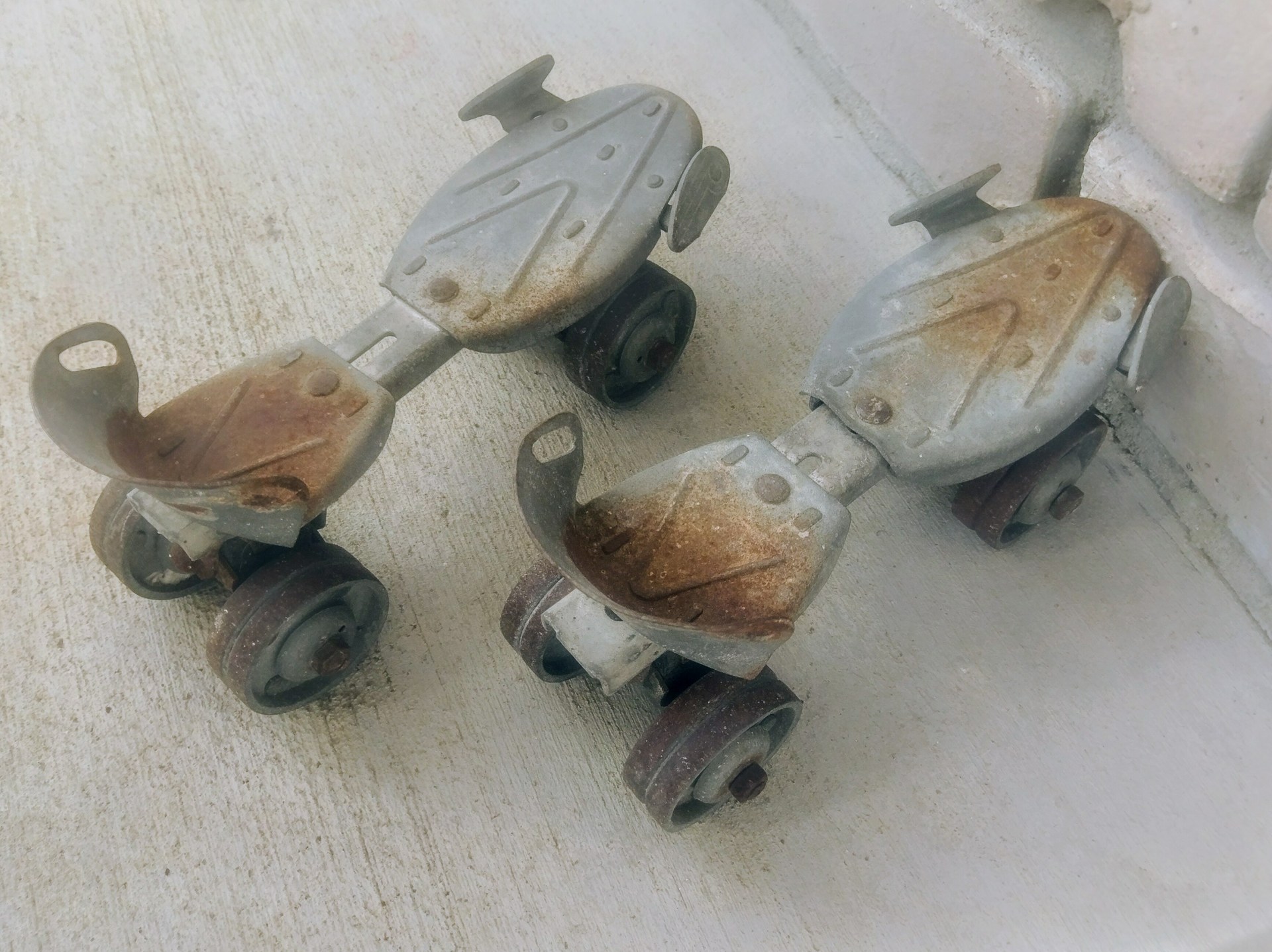
Roller skating has a history much longer than the disco-era images often attached to it. Smithsonian Libraries preserves trade literature advertising Plimpton’s patent roller skates. Such records show that the equipment and the promise of recreational movement were being promoted well before the rinks remembered by later generations.
The music changed the room
Once a song began, the floor acquired a rhythm. A familiar introduction could bring people back from the sidelines. It could also mark a moment: the first lap completed without stopping, the friend who stayed beside you, or the brave decision to let go of the rail for a little longer.
The music did not have to be your favorite to become attached to the place. Repetition and setting did some of the work. Years afterward, a song might call up the feeling of moving around that floor before you could remember anything else about the afternoon. A soundtrack became a kind of address.
Learning in public
Skating made progress visible. Yesterday’s cautious beginner could eventually become the person helping somebody else. A small improvement felt larger because other people could see it: a smoother turn, a confident stop, a lap with less concern about where to put your hands. The rink supplied a shared setting for very personal victories.
That visibility could also make the experience awkward. Falling, feeling slow, or comparing yourself with someone more practiced is not automatically a happy memory. A good companion could make the difference between an embarrassing evening and a funny story. Remembering the person who offered a hand may matter more than remembering how well either of you skated.
Eventually the session ended and ordinary shoes felt strangely reliable. The floor was behind you, but the motion seemed to remain for a moment. There might be another visit to look forward to, another skill to attempt, or simply another chance to hear a familiar song while circling the room with people you wanted to be near. The last song always seemed to arrive before anyone was quite ready.
Were you in the middle of the floor or keeping a hand near the wall?
Sources & further reading
Written with AI assistance. Historical details checked against the linked sources. Our editorial approach
Keep a little yesterday close