.jpg)
Taking a picture once left a question unanswered. You knew where you had pointed the camera, but you could not immediately inspect the result. The smile might be right, somebody might have blinked, or the whole scene might look different from what you remembered. The photograph existed as a possibility before it became something you could hold.
A camera for the occasion
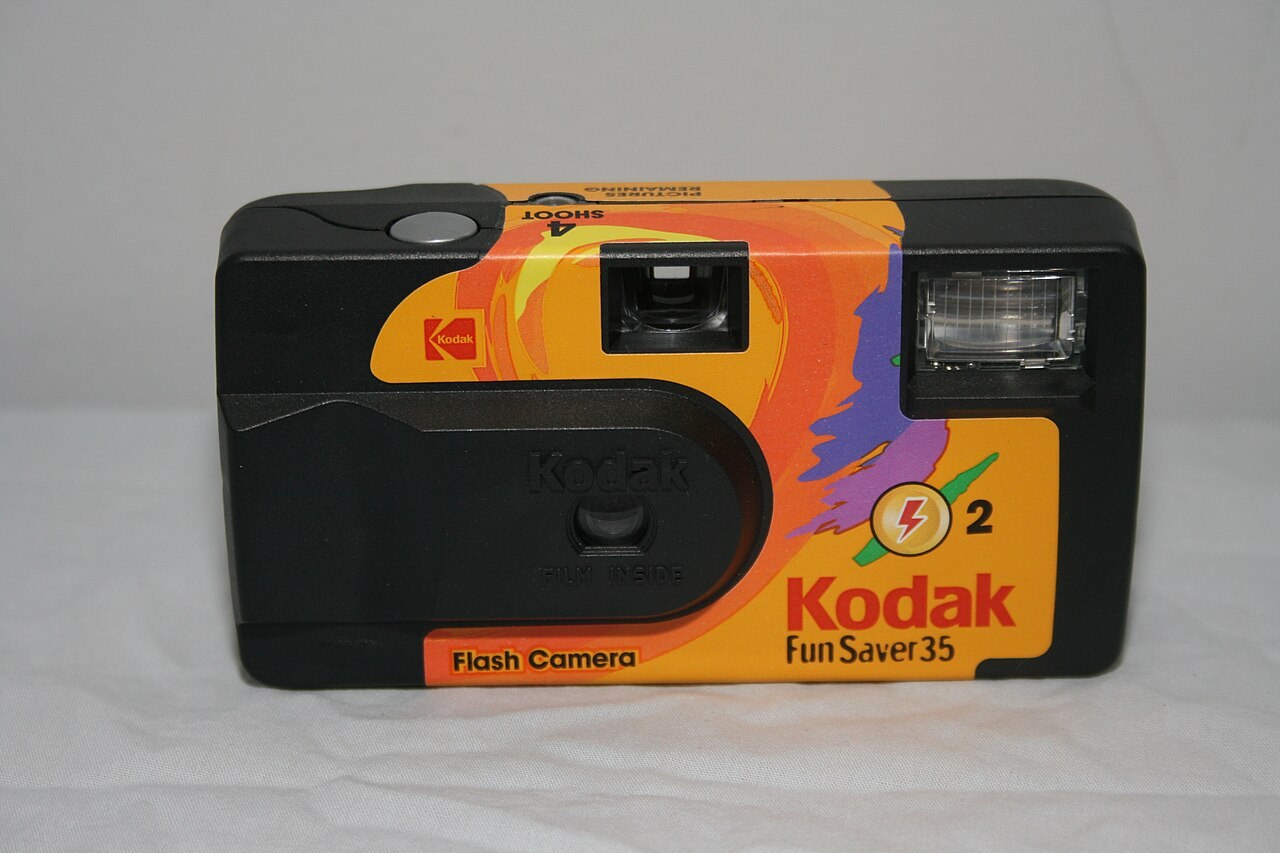
Fujifilm dates the original QuickSnap to July 1986. Its history describes a camera combining a lens and shutter with film; the following year brought a version using 35-millimeter film. These simple cameras offered a way to bring photography along without packing a more elaborate piece of equipment.
For the person carrying one, simplicity did not eliminate decisions. There were only so many exposures available. A view could be worth a frame, or perhaps the remaining pictures should be saved for the people you were about to meet. The small number on the camera gave an abstract resource a visible limit.
The picture could surprise you
Without an immediate preview, the person behind the camera had to move on after pressing the shutter. The moment continued. There might be another attempt, but no careful examination of the last image first. That separation between taking and seeing gave even an ordinary photograph a period of uncertainty.
Collecting the finished prints brought a second occasion. Open the envelope, sort out the order, and discover which moments had survived. Some pictures answered expectations. Others included an unnoticed detail at the edge or captured an expression nobody remembered making. The delay created a little distance between the event and the way it had been recorded.
The imperfect ones stayed, too
A photograph did not have to be technically impressive to become important. A tilted horizon or awkward composition could still contain the person you wanted to remember. A finger at the edge might be annoying at first and oddly affectionate years later, a reminder of who had been holding the camera and how the day had unfolded.
Printed pictures also invited a different sort of sharing. Pass one across a table, write something on the back, or make space for it in an album. The object could travel separately from its owner. A copy given to a relative might later return with information about a place, a date, or somebody whose name you had forgotten.
Immediate digital previews solve many real problems. Waiting is not automatically better. Yet the old delay gave a familiar event a second beginning: the day you opened the envelope. The trip or party was over, but its images were arriving for the first time. For a few minutes, everyone could discover the same afternoon all over again.
Did your family keep loose prints, photo albums, or both?
Sources & further reading
Written with AI assistance. Historical details checked against the linked sources. Our editorial approach
Keep a little yesterday close