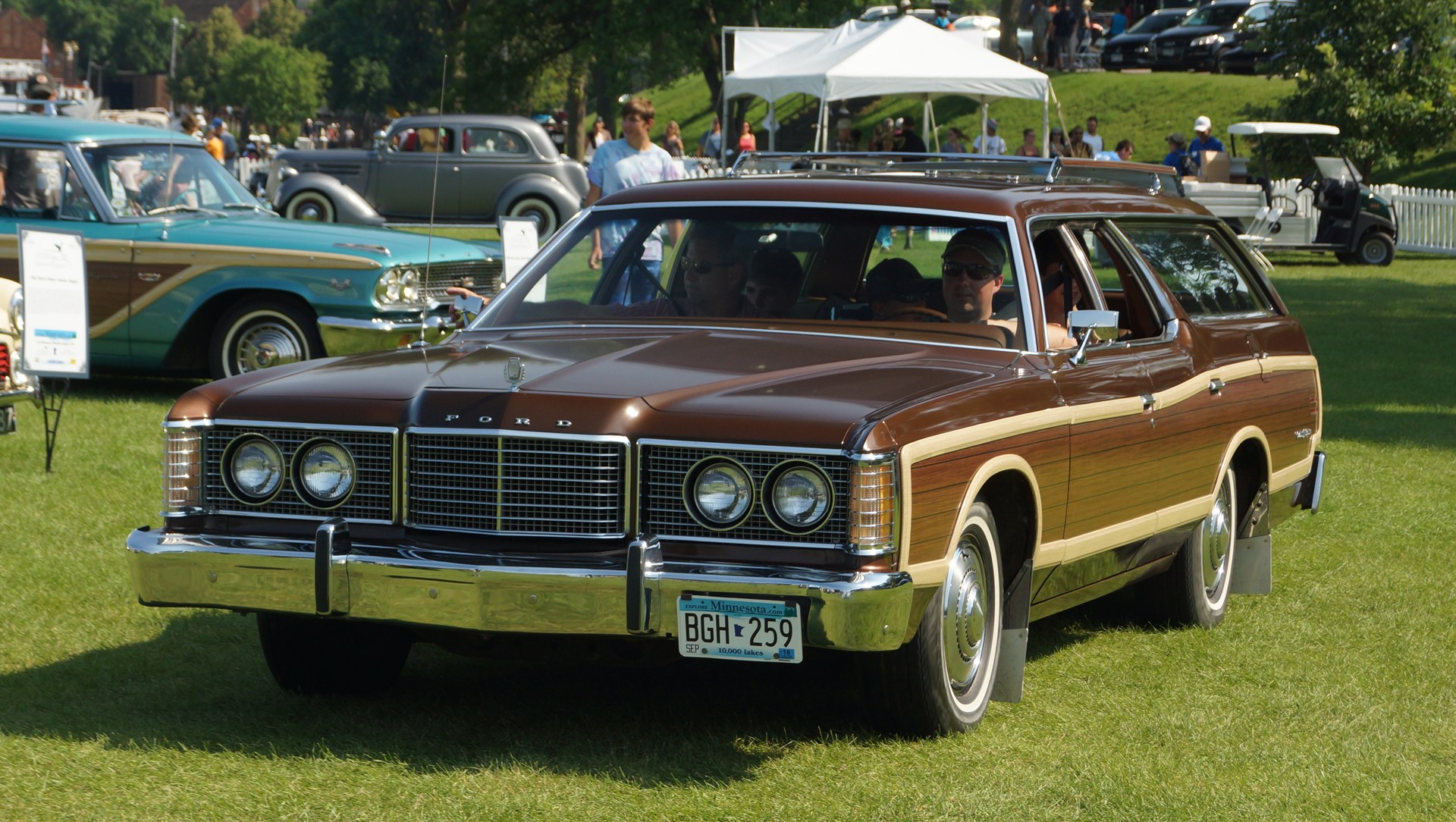

Packing the family car was a puzzle with passengers. Bags had to fit, useful things needed to remain reachable, and everyone had an opinion about what should come along. Before the road trip began, the vehicle was already becoming a temporary household, carrying familiar people toward somewhere that would be different from home.
A car with room for a family’s plans
The Henry Ford’s account of the 1950 Plymouth Deluxe Suburban describes the station wagon’s development from a vehicle for hauling travelers and luggage into a popular family car. That combination of people and cargo helps explain its place in road-trip memories: the vehicle held both the family and the equipment for the life they planned to have away.
Once underway, the car developed its own geography. A particular seat had a view. A bag became the place to find something useful. The person handling directions had a different task from the driver, and the people watching the landscape could notice things that neither of them saw. Everyone traveled together while experiencing a slightly different journey.
The route arrived a little at a time
A paper map made the distance visible without making it feel short. Names on the page became signs beside the road, then places behind you. A stop could mark progress more clearly than any number. Stretching your legs, getting something to eat, and returning to the car divided the journey into chapters.
Passing time invited small inventions. Watch for a certain kind of vehicle, notice unusual signs, or invent a game from the view. Conversation moved between excitement and boredom. An unplanned joke could survive longer in family memory than the attraction everyone had traveled so far to see.
The journey became part of the destination
A road trip is often described by where it ended, but much of the shared time happened on the way. The car held stretches with no particular event to distinguish them. Those stretches gave people room to talk, fall quiet, look outward, and become familiar with one another’s habits under slightly different conditions.
The remembered details need not be grand. A bag that always slid toward someone, a song that returned on the radio, or a familiar disagreement over the next stop can carry the entire trip back into view. Such memories are personal precisely because a travel brochure would have had no reason to mention them.
The cars and navigation tools have changed, but the basic transformation remains recognizable. Put familiar people into a small shared space and send them toward an unfamiliar place, and ordinary routines begin to shift. The vehicle becomes part of the story. Years later, remembering its interior may be the quickest route back to the journey itself.
What was the game your family played to pass the miles?
Sources & further reading
Written with AI assistance. Historical details checked against the linked sources. Our editorial approach
Keep a little yesterday close